TMJ and Chiropractic
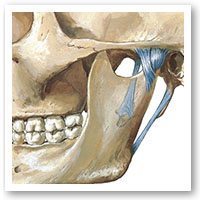 You may have heard or experienced a condition called TMJ which is a condition of clicking or pain in the Temperomandibular Joint (TMJ) or jaw. It is more correctly termed TMD which stands for Temperomandibualr Disorder (TMD). These occur as a result of problems with the jaw, jaw joint, and surrounding facial muscles that control chewing and moving the jaw.
Causes include:
- Injury to the jaw, Temperomandibular joint, or muscles of the head and neck (such as from a heavy blow or whiplash)
- Grinding or clenching the teeth, putting great pressure through the TMJ
- Stress, which can lead to clenching teeth, and/or tight facial and jaw muscles
- Arthritis in the TMJ
- Disrelationship of the complex jaw joint
Common symptoms of TMD include:
- Decreased ability to open the mouth wide
- A locked or stuck jaw either in an opened or closed position
- Clicking, popping or grating sounds in the jaw joint on jaw movement
- Pain or tenderness in the face, jaw joint, neck, shoulders and/or ear, including headaches and earaches
- A tired feeling in the face
- A change in the bite, as the teeth are not aligned
Intra-oral Cranials is a technique that your Chiropractor may use that is extremely effective in improving the movement of the jaw joint and hence reducing the symptoms relating to TMD. This Cranial technique addresses the bones of the skull and jaw to normalise the relationship of the skull with the jaw and the neck, and allow the jaw to move smoothly and freely and with its normal range.