
Posts
Sleep peacefully with Oriental Medicine
 How did you sleep last night? Could have been better? If you are rubbing your eyes while reading this and trying to counteract the effects of insomnia with coffee, you are not alone. Almost one in four of us has trouble sleeping on a regular basis.
Much has been said about modern life eating into our sleep. In Victorian times, before the electric light bulb, adults generally slept 9-10 hours per night. Ancient Chinese texts describe the idea of the body being governed by a 24-hour clock, with each of the 12 main meridians responsible for a 2-hour segment of the clock. For the body to function at its best, with all meridian pathways and associated organs working smoothly, it is advised to be in deep sleep by 11pm, so to go to bed between 9 and 10pm, and to rise between 5 and 7am. But with today’s long and irregular working hours and access to electronic devices that stimulate the brain instead of winding us down, many of us would struggle to follow these guidelines.
We now know that chronic (long-term) sleep deprivation has a host of health consequences. It plays havoc with your hormonal and metabolic regulation, contributing to weight gain, elevated stress hormones, and raised blood pressure. If you aren’t sleeping well, you are also more likely to struggle to concentrate, have accidents at work or while driving, and to suffer from depression.
If insomnia has been a long-term issue for you, you will probably have tried a lot of the self-help strategies recommended. Even so, it’s worth reading through the list at the end of this article to see if there are ways you could tweak your lifestyle to help promote sleep.
Various medications are available for insomnia, but most have side-effects you’d probably rather be without, like feeling groggy in the day. And for some classes of these drugs, long-term dependence is a real issue. So the ideal approach (in combination with lifestyle changes, of course) is one that’s natural and doesn’t have troublesome side effects.
That’s where Oriental medicine (the combination of acupuncture and Chinese herbal medicine) come in. This has a long history of use for insomnia. There are several Oriental medicine patterns associated with insomnia, and we work out which is responsible by taking a detailed history of your sleep issues and other aspects of your health, examining your pulse, tongue and abdomen and putting all the information together.
Treatments focus on calming the mind, using a combination of points throughout the body. I use the gentle Japanese style of needling, which inserts very fine needles very shallowly, so is suitable for even the most needle-phobic. Generally, 4-6 weekly sessions will give us a good idea of your response to treatment. After a few sessions, herbal support is often introduced as the frequency of acupuncture treatments is dropped.
There has been quite a bit of research done on acupuncture and sleep, although the quality of the research could be better.
One recent research trial looked at the effect of acupuncture on insomnia, focussing on quality of sleep. This trial was small (180 patients) but had a great design, comparing true acupuncture (points selected to treat insomnia) with sham acupuncture (points that don’t actually treat insomnia) and a commonly used sedative as control measures. This was done to make sure that any effect of the acupuncture treatment was not just due to being paid attention by the practitioner, or relaxing in the treatment room, or some other aspect of the treatment not actually related to needling specific acupuncture points.
After 6 weeks of treatment, those in the true acupuncture group rated their sleep quality as better than those in the sham acupuncture or sedative groups. They also reported less drowsiness and more energy in the daytime (in contrast to those on the sedative, who felt worse during the day even though their sleep improved). These improvements were maintained 2 months after the end of the treatment period.
Another couple of small trials looked at how acupuncture (or in one case, acupressure) works to help you sleep. They found that acupuncture or acupressure tended to normalise the levels of melatonin, a hormone produced by the pineal gland in the brain that regulates the sleep-wake cycle. This is very intriguing; and hopefully larger studies will explore this area in the future to verify the results.
The bottom line? Acupuncture can be a long-lasting remedy for insomnia, giving you better sleep quality without that hung-over feeling from sedatives.
Some tips to help you sleep.
- Avoid caffeine after 4pm, or noon if you are sensitive to it. Remember that chocolate and green tea also contain small amounts of caffeine that can be too stimulating for some people. Many “energy drinks” contain a lot of caffeine too.
- Try to get up at around the same time each day and go to bed at the same time each night. This gets your body into a regular pattern, so that the sleep hormone, melatonin, is being produced right when it’s needed.
- Aim for a short walk in sunlight (about 20 mins without sunglasses if you can tolerate it) first thing in the morning. A surge in melatonin (which promotes sleepiness) happens about 12 hours after this first exposure to sunlight, so this is another measure that can help reset your sleep clock.
- For at least an hour before bed, limit your use of TV, internet, mobile phones and other electronic devices, which tend to stimulate the brain. For some people who are sensitive, 2 hours may be better.
- If you can’t sleep after 30 mins, go and do something that’s not very interesting for 10-20 mins in low light, then try again. Avoid TV etc, for the reasons given above.
- Acupressure (applying pressure to acupuncture points) can help. Run your fingers outwards from the back of the neck at the base of the skull, till you reach a sore point behind the ear (but still under the skull). This is the An Mian (peaceful sleep point). Massage this area with firm pressure. The other point to apply pressure to is Kidney 1, which is on the sole of the foot, about 1/3 of the way down from where the toes join the sole of the foot. When you bend your foot downwards, you can feel a depression here, which may also feel quite tender.
Rhodiola rosea.
 RHODIOLA – an amazing herb for increased energy, stamina and mental performance.
Rhodiola rosea also known as rose root, golden root, arctic root and Russian rhodiola, is native to cold northern alpine regions, and is a hardy plant which thrives on rocky slopes. It has been used for centuries in Northern Europe and Scandinavia.
Rhodiola possesses tonic and stimulant properties that increase resistance to stress and disease. It is traditionally believed to give strength and stamina and is known to increase attention span as well as work productivity, providing a dramatic boost in energy levels, increased memory and mental performance. It has been commonly used to treat long-term illness and tiredness due to infection, mood elevation, mental alertness, sports performance, impotence, liver problems and as adjuvant treatment of cancer.
Recent studies have shown that Rhodiola may also be useful in the treatment of binge eating, nicotine withdrawal, erectile dysfunction and infertility.
At Health In The Bay, our Naturopaths use a herbal extract of Rhodiola in liquid herbal medicines which are custom blended for patients. One of the great benefits of mixing a number of herbal remedies into a formula is that it can be made to suit individual requirements. The many beneficial actions of Rhodiola can be enhanced by combining with other suitable herbal medicines. For example:
- Rhodiola combines well with other herbs that increase resistance to stress and disease such as Siberian ginseng and Withania.
- Rhodiola combines well with other herbs for Depression and nervous debility such as St John’s Wort and Skullcap
- Rhodiola combines well with other herbs for male sexual dysfunction such as Tribulus and Saw Palmetto
- Rhodiola combines well with other herbs for menstrual disorders such as female reproductive tonics Paeonia and Dong Quai
- Rhodiola combines well with other herbs to make brain tonic and study mixes such as Bacopa and Ginkgo
- Rhodiola combines well with other herbs for liver problems that protect and restore liver function such as Schisandra and St Mary’s Thistle.
A word of caution: Rhodiola use is not advised for depressed patients with hysteric and phobic symptoms as may occur with bipolar disorder. Concurrent use of stimulants such as caffeine is best avoided. It is important to consult with a qualified Naturopath or herbalist before taking Rhodiola.
Acupuncture and Later Pregnancy & Birth Preparation
S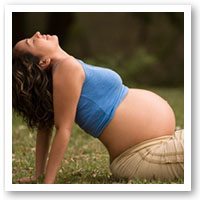 o you’re counting down the months (or even weeks or days) till you can meet the newest member of your family. This time should be all about nesting and preparing, but that’s hard to do if you are feeling exhausted by some of the conditions that can arise in late pregnancy. When these problems are severe, they can really detract from the experience of being pregnant. Issues that tend to flare up at this stage of the pregnancy include:
- Swollen ankles, fingers and wrists (can lead to carpal tunnel syndrome)
- Iron-deficiency anaemia
- Indigestion, acid reflux
- Varicose veins
- Haemorrhoids
- Back pain, sciatica, as baby’s head presses on the nerves exiting the spinal column
- Pubic symphysitis
- Insomnia
Easing late pregnancy complaints with Acupuncture.
Thankfully, most of these issues tend to respond well to Acupuncture. You’ve probably already heard of the benefits of Acupuncture in back pain and sciatica, as well as aches and pains like carpal tunnel syndrome. I also use specific Acupuncture points to reduce water retention and aid fluid metabolism, improve indigestion, and ease the discomfort associated with swollen veins and haemorrhoids. Other points can help you sleep or to help nourish the blood (to combat anaemia). These are combined with points selected for your individual constitution and any other symptoms you might be experiencing. The overall result is a very relaxing experience that should help settle your discomfort and support you as your pregnancy advances.
I find that with some of these conditions, especially pubic symphysitis, but also back pain and sciatica, the best results are achieved with a combination of Acupuncture and Chiropractic.
Other issues in late pregnancy that are less common include:
- Breech baby (head-up rather than the normal head-down position), and other positions not ideal for labour, such as posterior.
- High blood pressure (pregnancy-induced hypertension or pre-eclampsia),
- High blood sugar levels (gestational diabetes)
- Complications of pregnancy like a low-lying placenta (placenta praevia).
Let’s look at how Acupuncture can help these complications.
Breech and other positions not ideal for labour.
If your baby is in breech position, its bottom or feet would be delivered first if you went into labour. Some obstetricians are confident in delivering breech babies. But because complications can occur, most will attempt to physically turn the baby (external cephalic version) if this is possible. If it doesn’t work, the usual advice is to have a Caesarean section, but this is not without its risks and complications. Apart from issues with labour, a prolonged period in some types of breech position can also lead to problems with baby’s hips after birth.
Luckily, there is an alternative. At around 33-34 weeks, Acupuncturists use a specific point on the big toe, which is not needled but instead heated with moxa (a processed form of the herb Artemisia or Mugwort). You continue this treatment at home for 1-2 weeks. The moxibustion stimulates fetal movement, encouraging the baby to move itself into the normal head-down position. This form of treatment has been evaluated by research — it led to the baby turning in about 75% of cases (as a comparison, less than 50% of babies turned by themselves in women who did not have moxibustion treatment). No harmful effects were noted. There is another advantage of this approach. Because we are intervening relatively early in the pregnancy (compared with an external cephalic version at 37-38 weeks), if the moxibustion is successful, the baby is in the breech position for a shorter period, so we’d anticipate less chance of damage to the hips.
The best position for the baby to be born in is head-down, with the chin tucked right down into the chest, and in the head in the anterior position. This means that the back of baby’s head is directly under your pubic bone. This makes for a smoother birth. It is also more efficient, meaning you won’t get as tired during labour because the baby is already lined up correctly. Some babies don’t naturally adopt this position, but instead have their heads the other way up so that their forehead is directly below your pubic bone. This can lead to a longer, more tiring labour, with a lot of back pain, as the baby rotates into the anterior position (this does not always happen – the baby can be born in the posterior position, but this is not common).
We use a similar moxibustion technique if the baby is posterior, coupled with exercises to try and get gravity to work in your favour in encouraging baby to turn anterior.
In the following conditions, acupuncturists working with pregnant women have observed improvement in response to Acupuncture. However, little research has been done to back this up.
High blood pressure.
Your midwife or Obstetrician will be keeping a close eye on your blood pressure, because occasionally pregnant women develop a condition where the blood pressure rises out of control (and other problems develop). This is called pre-eclampsia and poses risks to the health of yourself and the baby.
While women with severe pre-eclampsia need to be hospitalised for monitoring and treatment, Acupuncture can be useful if there is just a mild increase in blood pressure. It can also help reduce the water retention that can also happen with this condition. Generally, the sooner treatment begins the more likely it is to have results. Of course, ongoing monitoring by your obstetric team is very important.
Gestational diabetes.
It’s normal for blood sugar (glucose) levels to rise slightly in pregnancy, but in some women this happens to the extent that diabetes develops. When severe, this can have complications. The concept of diabetes was recognised by the ancient Chinese, and several Acupuncture points have been proven to promote glucose metabolism and pancreatic function. By using these points, plus others for general wellbeing and the stage of pregnancy, we hope to help normalise glucose levels.
Low-lying placenta.
If your placenta is too low in the uterus, this can cause problems with bleeding later in pregnancy. In severe cases, a vaginal birth is not possible as the placenta obstructs the cervix. This condition often resolves by itself as the uterus enlarges and the placenta naturally rises away from the cervix. But in cases where it does not, we can add in Acupuncture points that have a lifting action according to Chinese Medical theory.
Pre-birth treatment – preparing for labour.
So you’re in the final weeks and no doubt you’ll be thinking about how to ease your passage through labour. Birth preparation Acupuncture is becoming increasingly popular since research has shown its effectiveness. One New Zealand study found that, overall, women who had birth preparation Acupuncture were 35% less likely to need their labour to be medically induced (43% less likely for women having their first baby). Women having these treatments also had a 31% reduction in epidural use.
I prefer to do weekly treatments from about 35 weeks, as the best effects are achieved when you have 4 treatments or more. In these sessions, we gently prepare your body for labour with specific points that act on the cervix and uterus. We also cover acupressure techniques for you or your support person to use during labour that can help you deal with the contractions and help the cervix dilate.
Inducing labour.
There’s no doubt that it’s best for your body to go into labour by itself. We don’t really understand the interplay between the mother and baby that sets off labour, and it’s likely to be complex and involve a cascade of factors. But sometimes, when the pregnancy goes more than a week – 10 days over the due date, then it’s wise to start weighing up the risks and working out a plan of action. In these cases, or when the Obstetrician wants to induce labour for medical reasons, Acupuncture can be very useful in kick-starting the process and potentially avoiding a medical induction. Feedback from midwives in New Zealand who started using Acupuncture in inductions has generally been positive, although the research is certainly not conclusive. In these circumstances, we stimulate points traditionally used to bring on labour, and do several treatments close together, ideally every couple of days.
So enjoy the last months and weeks of your pregnancy, and don’t forget that Acupuncture and Chinese herbal medicine can be great after the birth for promoting healing and dealing with breastfeeding issues like mastitis.
Acupuncture for Fertility
 If you’re having fertility issues, we recommend you seriously look into having Acupuncture and Chinese Herbal Medicine. Many conditions reducing fertility can be helped with this combination of treatments. These include:
- Endometriosis
- Polycystic ovarian syndrome (PCOS)
- Unexplained infertility
- Male fertility issues
If you are thinking about starting a family (or adding to it!), our Acupuncturists recommend a 3 month pre-conception programme of Acupuncture (with Chinese Herbal Medicine if required). This allows us to find the root cause of any issues and get you in the healthiest possible state to conceive.
For those with known fertility problems, or those needing assisted reproduction techniques like IVF, Acupuncture really comes into its own. It is very useful in maximising your response to treatment and coping with the stress associated with these procedures. For IVF, there are key times in the cycle that it’s important to have acupuncture treatment for the best results.
Our Acupuncturists are experienced in helping couples boost their fertility naturally, and in working in with an IVF regime. Health-fund rebates are available for Acupuncture treatments.
Acupuncture for Neck and Shoulder pain
 Neck and shoulder tension is one of the banes of modern life – when severe, the pain often extends down the arms and also can lead to headaches and jaw stiffness. It can really limit your life. But you don’t have to be stuck with it!
Acupuncture is great for melting those knots. Within 4-6 treatments we usually see substantial relief, with the hard areas becoming much looser. The time taken for this to happen depends on how long the tension has been there for, and how severe it is.
The treatments are very gentle – Acupuncture use extremely fine needles that you barely notice, plus moxibustion, a form of herbal heat treatment. The combination works really well in relaxing muscles, especially in the shoulders and neck
During a treatment, our Acupunctuirists uses a combination of Acupuncture points specifically targeted at any imbalance underlying the muscle stiffness, as well as local points to bring fast relief. We also look at lifestyle measures to help prevent the problem recurring.
Tara is a Registered Acupuncturist with many years’ experience in treating neck and shoulder issues. Health-fund rebates are available for Acupuncture treatments.
What is Neuro Emotional Technique?
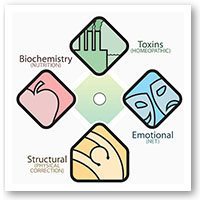 Neuro Emotional Technique or NET is a simple mind-body stress reduction intervention aimed at improving behavioral and physical problems, such as in chronic injuries, subluxations, pain, worry, anxiety, depression, etc. It was developed by an american Chiropractor, who like all Chiropractors would regularly see patients where chiropractic adjustments aren’t enough to help them with chronic pain, while also understanding that stress changes our physiology and affects our structure, and hence can lead to musculoskeletal problems.
Its common for a memory to elicit a physiological response in us, such as the example where simply thinking of a food we really enjoy can make us salivate. That occurs more strongly when the memory has some stress associated with it. This physiological response is known as ‘conditioning’, and the stronger the emotion, the stronger the conditioning. Over time this conditioned response will lessen and eventually subside, and this is the normal process of ‘extinction’. Although, if at the time of conditioning the body is not in a balanced state then the process of extinction does not take place. This results in an aberrant response to future similar stimulus. A response that once was appropriate is now unnecessary and even excessive.
An example is someone who almost drowned will be fearful of water initially. They will commonly experience some of the same physiological responses they did at the time of the near drowning, such as heart racing, pupils dilating, sweaty palms etc., when they are in water or even think of being in water. For most people this reaction subsides, but for a few they continue to have this response, which is no longer necessary or appropriate. This can become a problem as it impacts negatively on their life. This lack of extinction can also be a problem in relatively minor day-to-day experiences such as public speaking, confrontations, interviews, flying etc. The impact of this may be very obvious in day to day life, such as the two examples given, but commonly it impacts on us in less obvious ways, and results in chronic pains or illnesses.
NET is a treatment that allows your body to go through that natural process of extinction (which it has failed to do) and hence reduce any of those inappropriate physiological reactions. NET differs from counseling, as it doesn’t involve talking it out, it is a tool that removes any blocks to the bodys natural healing ability and as such allows the body to heal itself more effectively. It can be used in the course of a chiropractic treatment to assist the structural correction, or it can be utilised as the sole treatment in a session to work on specific emotional reactions or blockages that the patient wants to address.
Chiropractic: Myths and misconceptions.
 Like all modern healthcare, Chiropractic techniques are constantly changing with the times. Just as your GP no longer applies leeches to you, Chiropractors have updates their techniques for improved results and experiences. Here are some common myths debunked…
Once I see a Chiropractor I will have to keep going back.
Our aim is to help you get rid of your symptoms and also keep them away. We give recommendations as to what would be the best course of treatments to achieve both goals.
It may occur that after a few visits you feel improved but are asked to come back for a follow up treatment, this is because the pain or discomfort is one of the last signs or symptoms to come on and the first to disappear. These signs may have disappeared but the imbalance that caused the problem and hence the pain, may still be there to some degree. If this imbalance that is left over is not corrected it can progress again, and the symptoms will return. At Health In The Bay we incorporate different techniques that have been found to be effective in changing your body out of old patterns, which allows the body to become stable and hence need less treatments overall.
We may also recommend that you return for maintenance. It is a good idea to have occasional maintenance treatments as this helps correct any problems before they become symptomatic, and the earlier they are addressed they quicker they resolve.
Adjustments hurt.
Chiropractic adjustments generally don’t hurt. When having a manual adjustment you may hear a crack, which may be surprising if you haven’t experienced it before. This is not bone rubbing against bone or anything similar, it is just the fluid that naturally sits inside the joint, releasing a gas due to the change in pressure. Using the tool called an Activator is even more gentle. It is a tool that gives a small push to the joint in a specific direction, but no crack is heard. The adjustments themselves don’t hurt, but often you have come to see the chiropractor because of some pain you are experiencing, and as chiropractic is a hands on technique, the chiropractor will be working at the area of pain and hence it may be tender.
Chiropractic adjustments are dangerous.
Chiropractors study at University a minimum of 5 years which includes in-depth study of the anatomy and neurology of the whole body as well as adjusting techniques. With this knowledge any risk is minimised. There is a very small risk with manual neck adjustments, but this is only in those already predisposed to circulation problems. By taking a thorough history we can ascertain if there is some risk, and adapt the treatment accordingly. We also conduct screen tests prior to adjusting, if this indicates a potential risk we will not perform the adjustment. If we are happy there is no risk, but you are still not comfortable with the idea of being adjusted manually we can use a different method that does not involve cracking.
There is also a risk of mild soreness after a treatment, which is due to the body changing and adjusting. This is usually only with the first treatment as the body is getting used to these changes, and would only last one to two days.
Chiropractors only treat the spine.
Chiropractors study the anatomy and adjustment techniques of the whole body. It is true that the majority of what we treat is the spine, but that is not all we treat. We commonly treat other non-spinal joints, which can be symptomatic due to their relationship with the spine, or due to injuries. Common problems treated include RSI of the wrist, shoulder pain or stiffness, sprained ankles, or wrists, shin splints, generalised knee pain (often noticed when walking up and down stairs) unexplained knee swelling, dropped arches of the feet, plantar fasciitis, and more.