Posts

Stress and your body, part 1.
stress ballStress is a term commonly used everyday, it is usually considered a negative concept that has some impact on one’s mental or physical wellbeing, but it can be either the cause or the effect.

In nature most processes strive to maintain equilibrium, a steady state of balance, this includes our body on a physical level (our bones and muscles) as well as a physiological level (our organ systems). Environmental factors, internal or external stimuli, continually disrupt this balance, and these factors can be interpreted as stress.

As a chiropractor I am constantly dealing with and correcting the effects of physical stress. These physical stresses include falls and bumps, lifting or carrying heavy loads, prolonged periods of time in poor chairs, unsupportive mattresses or bad shoes, sustained posture, repetitive work or changes in our body for which it must compensate such as pregnancy or a broken bone in the foot, or knee surgery. On a physical level it is often clear to see how these stresses impact us and our wellbeing.

What is not always easy to see is how Emotional stresses impact our body and our wellbeing. I estimate that close to 75% of problems I see in clinic are due either directly or indirectly to emotional stress, but when I say that, people often can’t understand how emotional stress can affect us physically. It can be easier to understand when you consider situations of extreme stress, such as if your life were in danger.

In such a situation you would be feeling alot of emotions such as fear and panic, but your body would also be reacting, in a way that is known as a fight or flight reaction. This means that your body is getting prepared to fight or to flee. There are several things that happen but probably the most obvious sign would be that your heart would begin racing, this would result in you sweating, your body will produce adrenaline,which would make you feel buzzy or nervy. Your pupils will dilate, your blood will be directed to areas of your body that are important for fighting or fleeing (such as your muscles, your lungs and your brain) and away from areas that are not needed for the moment (such as your digestive organs). So you can see that emotions go hand in hand with physical changes.

Thankfully, it is not that common for us to be in a situation that is life threatening, but our modern lifestyles do entail alot of stress, and our bodies are constantly reacting to this stress in many ways, at a low level. These reactions will impact on our bodies in a physical way. Stress and your Body Part 2 will detail signs and symptoms your body may show in response to common low level daily stresses.
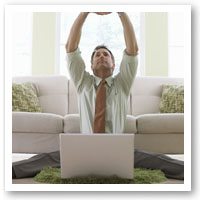
 

Neck and shoulder pain exercises.

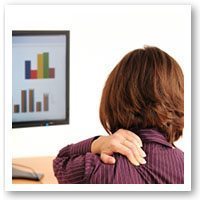
computer-neck-painNeck and shoulder pain is a very common ailment in today’s times, and it is almost always due to our posture, especially when our days are spent at a desk usually in front of a computer. Firstly the position we are in is not always the most ergonomic. We are all different heights and sizes and desks and chairs don’t always accommodate for these differences. We may be using 2 monitors and moving left to right to work on both, or twisting to get folders from shelves that are next to us or behind us.

Secondly we may be sitting at your computer for hours at a time without getting up and having a break, and then to compound that we can be so focused on what we are doing we often forget to sit up correctly and often end up with a rounded lower back, a forward head position and rounded shoulders. This will almost always lead to tight muscles and pain in the shoulders, between the shoulder blades, and up into the neck. It can often contribute to headaches also. Then as a consequence of these tight muscles it becomes more difficult to maintain a good posture, so it then becomes a cycle of poor posture leading to muscle spasm, causing poor posture.

Some simple things you can do to stop this cycle from occurring!

  • Firstly be mindful of your office/desk setup. Have your computer square in front of you with the monitor at a height so that the centre of the screen is at a 15degree down angle from your eyes. Have the monitor as far away from you as possible while still comfortable for you to read. It should be a minimum of 50cm. Also have your computer at right angles to a lit or window to minimize any glare on the screen. The keyboard should be situated such that your elbow is at 90 degrees, or even slightly lower. This helps your wrist to be straight and reduces the potential for a repetitive strain injury. Have your chair at a height so that your feet are flat on the ground and thighs are perpendicular to the floor.
  • Secondly, be conscious of your body. No matter how ergonomic your desk setup is, it wont help if you dont think abouthow you’re sitting. Most importantly, don’t slouch. try and sit with your back straight and your shoulders back and down. Have your head up and try to elongate your neck. Get up every 20min to have a walk around, and a stretch.
  • Thirdly, stretch…
    • At work
      • Neck – by bending it gently to the left hold it for 10 sec, bring your head back to neutral, then repeat 4 more times. Do the same with the neck bent to the right. Then also forward by tucking your chin in and bending it towards your chest. Then bend your neck backwards by looking up to the ceiling. While doing these stretches keep your shoulders down.
      • Shoulders – loosen up your shoulders by firstly shrugging the shoulders, hold them up for 5 sec then let them drop. Repeat this 4 times.
      • Roll your shoulders slowly backwards bringing them as far up, back, down and forward as possible. Do this 5 times. Then roll them slowly forwards 5 times, again bringing them as far up, forward, down and backwards as possible.
    • At home
      • At the end of the day when you get home get a small rolled towel, about 10-15cm in diameter. While lying on your back place the rolled towel across the back of your neck. Push your head back towards the ground and hold it for 5 sec, then relax for 5 sec. Then repeat 4 more times.
      • Next have a rolled up towel that is about 25-30 cm long and about 8 cm in diameter. Lying on your back and place the towel along the length of your spine between your shoulder blades. You can also place a low pillow under your head to make sure your neck is comfortable. Lying on the towel in this way allows your shoulders to relax back, and they also relax down. It allows your shoulder muscles and those between your shoulder lades to relax and release. This exercise helps release tight muscles but it also helps improve your posture, that why it’s good to get in the habit of doing this exercise even if you’re not feeling sore or tight.


Why you really need to stress less

stressIn clinic, we see patients with many and varied symptoms and conditions, but when it comes to working out the root cause of these conditions, often stress features in a big way.

Stress is now a common fixture in our hectic, busy lives. Small amounts of stress that are easily resolved can be beneficial in motivating and helping us achieve our goals. However, chronic or long-term stress affects each of us differently, and it may affect the whole body in a negative way and contribute to many health complaints.

Signs of stress include:

  • Feeling any of the following – anxious, worried, forgetful, irritable, depressed and exhausted.
  • Stiff or sore muscles or joints.
  • Insomnia.
  • Tension headaches.
  • High blood pressure.
  • Frequent colds and flu.
  • Digestive problems including irritable bowel syndrome, ulcers, change in appetite.
  • Worsening of an existing illness or condition.
  • Skin conditions.

Fight or Flight: Your Response to Stress

Thousands of years ago, we may have been faced with the threat of a sabre tooth tiger and our immediate response to this was one of two reactions: to attack or run away. This is now known as the fight or flight response. Once this stress response is triggered, chemical messengers called adrenaline, cortisol and noradrenaline are produced by the adrenal glands and brain. These messengers increase blood flow to the essential organs such as the heart, lungs, brain and muscles to help us fight or run away. Digestive function slows down as this is less important in survival mode. Cortisol also increases the amount of sugar released into the blood to provide energy for our muscles to attack or run. In the past, stress was shortlived and once the stress was over, these chemical messengers shortly returned to normal.

Where’s the Off Switch?

Over time our bodies have not changed this biological response to stress. Although the sabre tooth tigers are long gone, the physical threat to our lives and limbs has been replaced with the modern day stress of long work hours, financial worries, traffic jams and family issues. So what happens if this stress response does not turn off because of our non-stop busy lifestyles?

Ongoing stress that does not resolve may result in chronic stress, which can be the underlying cause of many health conditions. Chronic stress can impact body systems such as the cardiovascular system by contributing to high blood pressure. It can also take its toll on your nervous system leading to exhaustion, headaches and insomnia. Your digestive and immune systems can also be weakened by stress, making you more susceptible to irritable bowel syndrome, frequent colds and the flu.

Herbs and Nutrients for De-stressing

In clinic, I often use these herbs and nutrients to help our patient’s cope better with stress:

  • Rhodiola and withania are herbs which enhance the body’s response to stress. Rhodiola has been shown to reduce both physical and mental fatigue during times of stress.
  • The herbs passionflower, zizyphus and magnolia have been traditionally used for reducing stress, anxiety and nervous tension, and also work well in cases of insomnia.
  • St John’s wort is well-known for supporting healthy mood and protecting against the effects of stress.
  • Magnesium, glutamine and B vitamins are used in abundance during times of stress, when the body’s requirement for these key nutrients is increased. Magnesium assists in muscle relaxation and calms the nervous system.

10 Top Stress Busting Tips:

Lessen your stress load by practising the following stress busting strategies:

  1. Rest and Relaxation: Relaxation techniques such as tai chi, yoga, and meditation can help you to control stress and improve physical and mental wellbeing. Turn off all technology before 10pm (this includes phones, tv, computers and other devices) for a better night’s sleep.
  2. Think Positive: A good attitude and positive outlook is fundamental for de-stressing. Thinking positively will help you get through a stressful period with greater enthusiasm and drive.
  3. Exercise: Exercise is a brilliant form of stress relief, as it conditions the body and mind, and encourages the release of endorphins, which help you feel good. Enjoy restorative, rather than exhaustive exercise, when you are feeling particularly stressed.
  4. Indulge Yourself: Enjoy a well-deserved massage or some other blissful treatment – perhaps soak in a bath with relaxing aromatherapy oils such as lavender, ylang ylang, chamomile or geranium.
  5. Eat Healthy Foods: For a healthy mind and body, eat a diet abundant in fresh, brightly coloured fruits and vegetables. Consume protein with meals and snacks, and enjoy foods high in essential fatty acids such as oily fish, nuts and seeds. Minimise your intake of caffeine, energy drinks, sugar, alcohol and processed foods as these will contribute to fatigue in the long-term.
  6. Have Gratitude: Keep a diary of things in your life you are grateful for. If you find this difficult, focus on the basic things – a roof over your head, peaceful times, a cup of tea, the shade of a tree are all things we can take for granted, but many people don’t have access to.
  7. Take Breathing Breaks: For 1 or 5 minutes close your eyes and breathe deeply and slowly. Perhaps listen to a piece of music which you find soothing or go for a short walk.
  8. Reconnect with Friends and Family: choose positive, uplifting people in your life, and spend more time with them.
  9. Be Mindful: Do everything with focus and intention – cook your food mindfully, eat mindfully, work mindfully and be in the moment as much as possible. Set a reminder in your diary or on your phone to be mindful (and perhaps have a breathing break as well).
  10. Change Your Daily Routine: Have a long relaxing breakfast, try driving to work a different way, learn a new skill, watch a different television program. And play.

Be joyful and lighthearted where possible. Smile.

If you feel that stress is a problem for you, and you don’t know where to begin, make an appointment to see our Naturopath, or indeed any of our practitioners for tailored advice on how to manage stress.


Back Pain and Chiropractic

Chiropractic Back PainThe back or spinal column is the central support structure of the body, and is therefore crucial to our functioning ñ most especially our mobility. The nerves that radiate out from the spinal cord are essential to the operation of every muscle, nerve and organ in the body ñ so if they become trapped or pinched in any way, they can affect our posture and movement significantly. This is often what happens when the discs that cushion the spinal column become worn or rupture. Other sources of back pain involve injury or strains to the muscles of the back ñ often from unusual movements or over stretching. Lifting and carrying with poor techniques also places strain on back muscles, especially if the knees are not bent, and the back ends up taking all the stress. Typical symptoms of a back problem include headaches, localised pain in the neck or back which may radiate to the shoulders, arms or legs. Chiropractic treatment is a popular alternative to invasive surgery or conventional medication, and is a recognised profession by the medical establishment.


What is Chiropractic Treatment?

Chiropractic treatments and chiropractors are primarily concerned with the alignment of the spine, and to a lesser extent the skull and pelvis, using a range of techniques to adjust it. This is designed to allow the nervous system to function without impediment. Techniques used include hand pressure and gravity as well as specialised equipment, including adjusting tables and wedges. A chiropractic adjustment utilises force applied to a joint, with the intention of encouraging normal motion and function. Chiropractors are health professional that typically undergo tertiary education, are regulated by government and must be registered to practice ñ so they are qualified to deal with a range of back problems.


How Can Chiropractic Treatment Help Back Pain?

A holistic assessment of the patient is first conducted to determine what may be the origin of the condition or ailment. A treatment plan is then devised which may consist of physical treatment or adjustment, exercises and advice on preventative measures that can be followed. Adjustment methods may involve a range of techniques, including quick or slow movements, and constant pressure. Depending on the condition or ailment, this is typically an ongoing program of supportive care, with repeated visits until the problem recedes.

If you are considering chiropractic treatment as a therapy for your back pain, ensure that you consult a trained and qualified chiropractor.

The Importance of Stretching

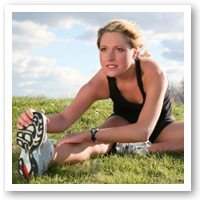
Health In The Bay StretchingStretching is a very effective and important activity that has a number of known key benefits for all. These benefits include improved flexibility, a decrease in the likelihood of injury and muscle soreness, and an enhancement in physical performance.

Through stretching, the affected muscles will be lengthened, which helps to improve the body’s normal level of flexibility as well as to reduce general muscle tension. This increase in muscle length will also enable the muscles to contract over a greater distance and hence create a greater level of power. The body is then able to move more freely with increased comfort.

After physical exercise, the muscles can often feel tight, sore or stiff. Such soreness occurs due to minute tears that form within the muscle fibres, as well as an accumulation of blood and waste products, such as lactic acid. Stretching after exercise, therefore, helps to diminish any muscle soreness through improved blood circulation and the removal of waste products.

Exercise also creates fatigue, and results in a decrease in both mental and physical performance. Stretching muscles can help to prevent fatigue by reducing the pressure on the working muscles. For every muscle, there is an opposing muscle, and if these are made more flexible through stretching then the working muscles have to exert less force against them. The movements of the working muscles will, therefore, require less effort, which will result in the enhancement of an individual’s physical performance.

Additional benefits of regular stretching include improvements in posture, body awareness, energy levels, coordination, and stress relief.

Stretching should be carried out before and after any physical activity, and as part of an individual’s daily routine. A typical stretching routine should last for around 5-10 minutes, with each muscle group being stretched 2 or 3 times. Each stretch should be performed gently and slowly, and held for around 20 seconds only to the point where tension is felt in the muscle. Only stretch muscles that are 100% healthy and avoid areas that are recovering from injury. Stretches should never be performed when the muscles are cold. Prior to any stretching, light, physical activity that results in a light sweat should be performed for about 10 minutes.

Sports Massage: Pre and Post Event Massage

massage stretchingIf you’re training for an upcoming event and are looking to be in tip-top shape, the needs of those pre sport verses the needs of those post sport are very different. Pre sport massage focuses on relieving muscles via light compression and lymphatic release, whereas post sport focuses on repair, via slow deep friction techniques, stretching (passive and active) and mobilisation. Pre sport massage should not be invasive as massage can temporarily weaken muscles in order to aid in successful repair.


Pre sport massage

Pre sport massage is given under the assumption that the athlete is pre conditioned to the activity that they are about to undertake and is therefore a means of enhancing the natural health of muscles by stimulating blood flow to provide nutrients to muscles in a relaxed state, and the lymphatic system, to remove waste from muscles that may be lingering. The massage focus is optimisation, to reduce risk of damage (not to undo damage).

Post sport massage

Post sport massage is focussed on undoing damage caused during activity; with an emphasis on (post sport) it is never advised to get this type of massage before a sport event. The massage focuses on breaking up scar tissue, tight connective tissues, and posture. Generally it is slower than remedial massage to focus on fibre release and increasing range of movement. I like to apply trigger point therapy within my post sport treatments as it allows for a far more successful release and breakdown of scar tissue, therefore, more successful mobilisation post treatment.

A Knotty Problem

Health In The Bay Knot

It is likely that most individuals have at some point in time experienced sensations of pain and discomfort caused by “knots”, also known as Trigger Points. These are painful areas in the muscles that cause pain to refer into other parts of the body, as well as create symptoms of weakness and fatigue.

A Trigger Point is the body’s response to a physical, emotional or chemical disturbance where the muscle becomes contracted or over-lengthened for extended periods of time preventing it from returning to its rest position. This then restricts the movement of the muscle and decreases circulation. The muscle then becomes deprived of nutrients and oxygen, which results in a collection of metabolic waste.

The most common causes of Trigger Points are poor posture, structural imbalances, repetitive activity and overuse, emotional factors, and direct trauma or injury. These points can occur in any muscles of the body, but are most commonly found in the neck and upper back. Trigger points can themselves bring about a variety of issues, such as tension headaches, tinnitus (ringing in the ears), jaw pain, lower back pain and carpal tunnel syndrome.

Trigger Points can be effectively treated with massage therapy where direct pressure is applied to the area in question. Upon compression, the Trigger Point will often reproduce the individual’s pain pattern. As the muscle relaxes, the pain and discomfort should then diminish.

Self care is also important to help prevent the re-occurrence of Trigger Points. This can include using a heat pack when muscles are tense or painful, having hot baths after treatment, keeping well hydrated, and carrying out simple stretch and range of motion exercises. Your massage therapist will be able to assist you with such exercises, and is also there to answer any questions or concerns that you may have.

Does sitting affect your health?

Health In The Bay Massage HandsWithin the last 30 years, our world has seen astounding advances in our technological capabilities, which has affected the way people carry out their daily lives. Nowadays, most people are required to spend the majority of their working day in an office environment sat at a desk in front of a computer.

Our bodies, however, were not designed to remain in one position for long periods of time; they were made to move. When we are sedentary, our body responds by burning fewer calories and slowing down our circulation. Such a lifestyle also leads to postural problems, which can develop into chronic health issues.

In a seated position, certain postural muscles, especially in our back and neck, start to become short and tight from being overworked. This then leads to issues such as upper or lower back pain, stiff shoulders, neck pain, tight hamstrings, headaches and migraines. The muscles that support our spine also become weak, like our gluteal and abdominal muscles.

Repetitive strain injuries, such as carpal tunnel syndrome, are also becoming more widespread and it is not uncommon for keyboard users to complain of wrist, arm and shoulder pain or discomfort.

I am sure the majority of us, including myself, will have experienced some or all of these above symptoms at some point in our lives.

So what can we do about it? Take time to get up and move about, as well as to stretch. Whilst seated, be aware of your own posture and at work try to change the nature of your tasks as often as you can. In addition, try to develop a regular exercise routine even as simple as walking for 30 minutes a day.

Massage therapy is also extremely effective in this situation to release and relax the muscles, as well as to reduce overall tension and fatigue found within the body. Regular massage sessions are thoroughly recommended to assist in maintaining good body health and well-being.

Why do we get Back Pain?

Pain is very important to us. It is the body’s warning signal to us that something is not right. It is a signal that usually makes us stop and take notice and then hopefully take action to change it.
Health In The Bay spoonBack pain can come from several structures. The spine is made of 24 moving bones which are interconnected at joints, called Facet Joints, along the back of the spine. Between the ends of the bones in the spine there is a disc which is soft to allow mobility as well as shock absorption.
If the Facet Joints are not moving freely then there will be irritation at these nerve-rich joints, resulting in pain.
The same change in movement in the joints, or acute trauma, can result in the dics becoming inflamed and swollen, or even ruptured. The disc can then push on the nerve exiting the spine, again resulting in pain.
Together with these issues the muscles along the spine will spasm which is again a common source of back pain and stiffness.
Chiropractic care has helped many people with these problems by utilising appropriate techniques which improve the movement of the facet joints and the relationship between the vertebrae of the spine, hence reduce any of these sources of pain. If you don’t already have a Chiropractor, or would like to try a different approach schedule an appointment today.

Stress can be a pain in the neck

Have you ever referred to something or someone in your life as a “pain in the neck”? You were probably more accurate than you realised. Any emotional stress (which can include rushing and being very busy) can result in the muscles across the top of your shoulders tensing up. Tense muscles will be uncomfortable. Then if this tension is prolonged, over a short time the muscles in surrounding areas including the neck muscles and between the shoulder blades will also become tight and painful.

Health In The Bay Lizard

Another response to stress is commonly clenching of the jaw or grinding teeth at night. This results in muscle spasms around the jaw, which also will cause muscle tightness in the neck, and hence neck pain and stiffness.
Poor or prolonged work posture can cause neck pain also. Work is commonly related to stress, and this together with a sustained posture over the course of the day will result in tight muscles around the neck and shoulders, resulting in pain.
Chiropractic care can help in several ways. Chiropractors can help release the tight muscles, as well as give advise on stretching and posture and activities to help maintain good muscular balance.
More more information, please read on, or contact Martina, our principal Chiropractor.