Posts

Should I See a Chiropractor or a Physiotherapist?
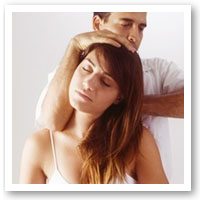
Chiro Or PhysioWhen you’re faced with pain, especially if it’s the first time, it’s hard to know who to turn to. Can your GP help, or do you need someone more specialised, someone who treats your specific issue? Both physiotherapy and chiropractic professions specialise in the musculoskeletal system, to help improve overall health and well-being.

What is a Chiropractor?

Chiropractors are known as the ‘spinal health experts’ who work to help improve your body’s nervous system. Chiropractic assumes that a healthy and properly functioning nervous system equates to improved overall health and well-being. Chiropractors address all demographics including babies, infants, athletes and the elderly.

Chiropractic focuses primarily on the spine and the alignment of the vertebrae, the skull and the pelvis. The spinal column, consisting of the vertebrae, contains and protects the spinal cord and the many nerves that branch out from it. These nerves form the nervous system and are responsible for all our bodily functions. A chiropractor aims to improve the flow of information along these nerves, which are sometimes impaired through misalignment of the vertebrae.

Though chiropractic is not just about the spine – it also focuses on nutrition, exercise and your health and well-being as a whole.

Lower back pain is one of the principal reasons people consult a chiropractor, although they also treat a number of other issues, both structural and functional. Examples include digestive issues and headaches. Research suggests it can also be helpful in treating menstrual pain, fibromyalgia and carpal tunnel syndrome.

Chiropractors primarily use chiropractic adjustments to help improve the nervous system. Sometimes they ëmove’ areas that are not moving properly. This is referred to as an ëadjustment’. They may also use an ìactivatorî, a pen-like instrument that addresses the misalignments in the spine and pelvis by correcting them with a gentle percussive force. There are a number of different styles of Chiropractic. Other techniques they could use are massage or hot or cold packs.

Are Chiropractors Qualified?

To practise in Australia, chiropractors must complete a five-year university qualification, which is subdivided into a three year Bachelor and a two year Masters degree. They are also regulated and registered by the government. The Australian Government has set up a regulating body to oversee the industry and ensure high standards of practise are maintained.

What is a Physiotherapist?

Physiotherapy, like chiropractic, aims to improve your health and wellbeing. Physiotherapists are often referred to as movement specialists and aim to help your joints and muscles work to their full potential. They often give exercise programs to patients to improve mobility, and will also use in massage, stretching, ultrasound and laser therapy, and mobilisation and manipulation.

Common problems that physiotherapists treat include sports injuries, back and neck pain, arthritis, repetitive strain injury (RSI) and even asthma. They will use a range of treatments includuing massage, exercise programs, hot and cold packs and aids such as crutches and wheelchairs to help improve movement and mobility.

Are Physiotherapists Qualified?

In Australia, physiotherapists will have completed either a four-year degree in Physiotherapy of Applied Science (Physiotherapy), or a graduate entry Masters program (a two-year accelerated program). These qualifications enable practitioners to apply for registration with the Physiotherapists Registration Board. In 2010, a single national registration and accreditation program was set up in Australia, with the Physiotherapy Board of Australia responsible to registering physiotherapists and students.


Chiropractic for Headaches

Chiropractic HeadacheChiropractic is an ideal alternative therapy that works not only to relieve headache pain but to also restore normal functioning to the nervous system and spine. Please read on for more information.


What is a Headache?

A headache is when someone feels pain or discomfort in the head and/or face. It is a symptom of many different conditions, and physiologically may be caused by a disruption to pain-sensitivity structures in the head.

Headaches may be classified as either primary or secondary. Primary headaches develop on their own, whereas secondary headaches develop as a symptom of another disease, condition or illness.


What is Chiropractic?

Chiropractic is an alternative form of medicine that aims to diagnose, treat and prevent mechanical disorders of the musculoskeletal system via manipulation and realignment of the spine and other bodily structures.


How Does Chiropractic Help Alleviate Headaches?

Most good chiropractors employ the use of physical, orthopedic and neurological tests to pinpoint potential causes of the headache. The practitioner will then use spinal manipulation to treat the headache, thus:

  • Improving spinal alignment.
  • Reducing nerve irritation.
  • Reducing muscle tension.
  • Improving blood flow and circulation.

A chiropractor may aim to reduce headache symptoms with massage and Trigger Point Therapy, and may even use x-ray to determine whether abnormal positioning of the shoulder and neck are causing the headaches. They may also recommend a suitable lifestyle plan including relaxation techniques, daily stretches, changes in posture and other exercises.


Chiropractic and Tension Headaches

Tension headaches result from muscular tension in the head, neck and shoulders. This tension ultimately leads to changes in normal posture and movement in order to compensate, which itself results in even more muscular tension, thus creating a vicious cycle that causes an increasingly painful headache.

Chiropractic aims to resolve and break the vicious cycle by releasing any muscular tension, and by realigning skeletal structures. Relief is often experienced from tension headaches minutes after Chiropractic treatment, after which muscle tension has eased and nerve irritation has been reduced.


Chiropractic and Migraine Headaches

Certain triggers cause a sudden dilation of blood vessels in the head to occur, thus producing a painful migraine.

Recent scientific studies have shown chiropractic may play an important role in treating migraines in its subtle manipulation and realignment of the spine. The adjustments also improve blood flow by reducing any irritation to nerves rooted in the spine which themselves are responsible for vascular system tension control.

If you are interested in trying chiropractic to relieve your headaches, please speak to a professional chiropractor for more information.


Back Pain and Chiropractic

Chiropractic Back PainThe back or spinal column is the central support structure of the body, and is therefore crucial to our functioning ñ most especially our mobility. The nerves that radiate out from the spinal cord are essential to the operation of every muscle, nerve and organ in the body ñ so if they become trapped or pinched in any way, they can affect our posture and movement significantly. This is often what happens when the discs that cushion the spinal column become worn or rupture. Other sources of back pain involve injury or strains to the muscles of the back ñ often from unusual movements or over stretching. Lifting and carrying with poor techniques also places strain on back muscles, especially if the knees are not bent, and the back ends up taking all the stress. Typical symptoms of a back problem include headaches, localised pain in the neck or back which may radiate to the shoulders, arms or legs. Chiropractic treatment is a popular alternative to invasive surgery or conventional medication, and is a recognised profession by the medical establishment.


What is Chiropractic Treatment?

Chiropractic treatments and chiropractors are primarily concerned with the alignment of the spine, and to a lesser extent the skull and pelvis, using a range of techniques to adjust it. This is designed to allow the nervous system to function without impediment. Techniques used include hand pressure and gravity as well as specialised equipment, including adjusting tables and wedges. A chiropractic adjustment utilises force applied to a joint, with the intention of encouraging normal motion and function. Chiropractors are health professional that typically undergo tertiary education, are regulated by government and must be registered to practice ñ so they are qualified to deal with a range of back problems.


How Can Chiropractic Treatment Help Back Pain?

A holistic assessment of the patient is first conducted to determine what may be the origin of the condition or ailment. A treatment plan is then devised which may consist of physical treatment or adjustment, exercises and advice on preventative measures that can be followed. Adjustment methods may involve a range of techniques, including quick or slow movements, and constant pressure. Depending on the condition or ailment, this is typically an ongoing program of supportive care, with repeated visits until the problem recedes.

If you are considering chiropractic treatment as a therapy for your back pain, ensure that you consult a trained and qualified chiropractor.

Frozen Shoulder (Adhesive Capsulitis)

Health In The Bay Frozen ShoulderSigns/Symptoms

  • Frozen shoulder is characterised by stiffness and restriction of movement leading to a high degree of shoulder joint immobilisation (passive and active movements).
  • In most cases there is also some localised pain that can also cause secondary pain in the neck and trapezius muscle.
  • Patients are generally unable to raise their arm above 45 degrees and often any movement that involves external shoulder rotation inhibits pain.
  • Pain at night is often more severe, and a secondary side effect of frozen shoulder is insomnia.
  • It is most common over the age of 40 and more prevalent in woman.
  • Symptoms can often last from 5 months to 3 years, but healing time can be reduced with appropriate therapy, stretching and preventative techniques.


Causes

  • It is most commonly caused by thickening and contraction of the joint capsule – the connective tissue around the bony structures of the shoulder joint. There can also be a lack of synovial fluid in the joint
  • Can be caused by injury, however, it may also be a secondary symptom of thyroid, metabolic disease, stroke and auto-immune disease. Higher incidence in smokers. In many cases, there is no recognisable cause.
  • In Eastern medicine – deficient cases, there is a lack of nourishment (Ying Qi), leading to tendon/muscular weakness. In excess cases, wind/cold/damp/injury penetrates the shoulder joint causing local Qi/Blood stagnation in the channels (often Colon/Small Intestine channels). Can also include Gall Bladder, Lung, Triple Heater and Pericardium channels.


Treatment

  • Aims to reduce pain, increase recovery time, increase range of movement and prevent worsening of symptoms.
  • Western medicine treatment aims to reduce pain and inflammation with anti-inflammatory drugs, and if particularly severe, steroid injections are used. Chronic painful issues are sometimes treated with surgery.
  • The most effective method of recovery is to continue a full range of movement within the joint to prevent further joint stiffness and muscle loss/weakness. Therefore, physical therapy generally involves range-of-motion exercises. Functional exercises should include moving the diseased shoulder in abduction, adduction, internal rotation and external rotation – morning and night.
  • Other therapies that can be effective are massage, acupuncture, herbal linaments and stretching. Common acupuncture points include SI9,10, LI4, 11, 14, 15.


Acupuncture Scar Therapy

Health In The Bay Scar TherapyWe all know how stubborn scars can be at healing. What you may not know is that scars can block the free flow of qi (energy) and blood as well as constricting the soft tissue. This can cause a number of seemingly unrelated complications that are not local to the area of scarring, such as neck, shoulder and back pain and headaches.

Do you need Scar Therapy?

Remember, not all scars will cause problems. Many do heal effectively. The best way to decide if a scar needs attention is to inspect it yourself through sight and touch.

Firstly, take note of the appearance of the scar and the skin around it. Is it a different colour? Is it bulging or lumpy looking? A purple or red colour is a good indication of blood or qi stagnation.

Secondly, palpate the scar by feeling around the perimeter (outside) of the scar (never push down on the inside of the scar) at an angle as if pushing underneath the scar. Feel for pain, tenderness, unevenness or numbness. These are indications that the flow of qi and blood are obstructed.

Does it feel itchy at times? This is normal in the first few weeks as the tissue heals after the surgery or trauma. But if it goes on for longer, scar therapy might help. If you do discover anything out of the ordinary this is a good indication that your scar has not healed effectively and you could benefit from Acupuncture therapy.


How does it work?

Acupuncture stimulates microcirculation improving blood flow to the area. It draws the body’s attention to the area of concern to encourage re-knitting of scar tissue. Other techniques such as moxibustion, herbal medicine and warming liniments can be used to improve circulation.


Does it improve the appearance of scars?

Acupuncture scar therapy can be applied to most scar types including acne, pox, injuries and surgery scars. It can make thick scars thinner, improve the colour and general appearance and reduce pain/numbness/tingling and itching. However, the final results depends on your skin type, the type of surgery or trauma, and how long you’ve had the scar.

Myofascial Trigger Point Therapy

Health In The Bay Massage

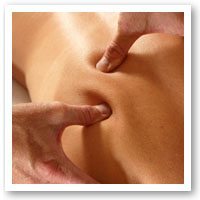
Myofascial Trigger Point Therapy is a technique used by Massage Therapists which was developed over 50 years ago. Direct pressure is applied to a specific muscle that has become contracted or over-lengthened for extended periods of time preventing it from returning to its rest position.

Trigger Points, also commonly referred to as “knots”, are felt as painful areas in the muscles that cause pain to refer into other parts of the body. The individual may also experience symptoms such as tingling, numbness, burning, as well as weakness and restricted range of motion in the affected muscle. These points can occur in any part of the body, but are often most likely to be found in the upper back or neck. Trigger points will usually occur on both sides of the body, with one side being more symptomatic than the other.

Upon compression by the therapist, the trigger point will often reproduce the individual’s pain pattern. As the muscle relaxes, the pain and discomfort should then diminish. Massage therapists will apply pressure to trigger points using their thumbs, knuckles and elbows, as well as with specialised treatment tools. T-bars made of wood, plastic or metal, often rubber capped, may be used.

The most common causes of trigger points are poor posture, structural imbalances, repetitive activity and overuse, emotional factors, and direct trauma or injury.

A Knotty Problem

Health In The Bay Knot

It is likely that most individuals have at some point in time experienced sensations of pain and discomfort caused by “knots”, also known as Trigger Points. These are painful areas in the muscles that cause pain to refer into other parts of the body, as well as create symptoms of weakness and fatigue.

A Trigger Point is the body’s response to a physical, emotional or chemical disturbance where the muscle becomes contracted or over-lengthened for extended periods of time preventing it from returning to its rest position. This then restricts the movement of the muscle and decreases circulation. The muscle then becomes deprived of nutrients and oxygen, which results in a collection of metabolic waste.

The most common causes of Trigger Points are poor posture, structural imbalances, repetitive activity and overuse, emotional factors, and direct trauma or injury. These points can occur in any muscles of the body, but are most commonly found in the neck and upper back. Trigger points can themselves bring about a variety of issues, such as tension headaches, tinnitus (ringing in the ears), jaw pain, lower back pain and carpal tunnel syndrome.

Trigger Points can be effectively treated with massage therapy where direct pressure is applied to the area in question. Upon compression, the Trigger Point will often reproduce the individual’s pain pattern. As the muscle relaxes, the pain and discomfort should then diminish.

Self care is also important to help prevent the re-occurrence of Trigger Points. This can include using a heat pack when muscles are tense or painful, having hot baths after treatment, keeping well hydrated, and carrying out simple stretch and range of motion exercises. Your massage therapist will be able to assist you with such exercises, and is also there to answer any questions or concerns that you may have.

Can Chiropractic help a sprained ankle

ankle

Can Chiropractic help a sprained ankle?

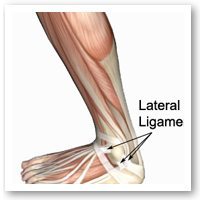
A sprain is an injury to a ligament that involves that ligament being stretched beyond its normal range, often resulting in some degree of tearing. Chiropractic care can not directly help the ligament, but  Chiropractic can improve the environment of the ligament and so assist in its healing indirectly. The force required to cause this type of injury will no doubt have jarred and impacted on the other structures at the ankle, namely the many bones and joints that make up the ankle and foot. The jarring to these joints will commonly affect the relationship of the bones to each other and so the integrity of the joints. This would upset the mechanics of the ankle and foot as a whole resulting in changes in mobility,  impaired circulation and drainage and often pain. By improving the biomechanics of the foot and ankle using chiropractic techniques, these factors normalise which allows the the area to heal better and much faster.


Does sitting affect your health?

Health In The Bay Massage HandsWithin the last 30 years, our world has seen astounding advances in our technological capabilities, which has affected the way people carry out their daily lives. Nowadays, most people are required to spend the majority of their working day in an office environment sat at a desk in front of a computer.

Our bodies, however, were not designed to remain in one position for long periods of time; they were made to move. When we are sedentary, our body responds by burning fewer calories and slowing down our circulation. Such a lifestyle also leads to postural problems, which can develop into chronic health issues.

In a seated position, certain postural muscles, especially in our back and neck, start to become short and tight from being overworked. This then leads to issues such as upper or lower back pain, stiff shoulders, neck pain, tight hamstrings, headaches and migraines. The muscles that support our spine also become weak, like our gluteal and abdominal muscles.

Repetitive strain injuries, such as carpal tunnel syndrome, are also becoming more widespread and it is not uncommon for keyboard users to complain of wrist, arm and shoulder pain or discomfort.

I am sure the majority of us, including myself, will have experienced some or all of these above symptoms at some point in our lives.

So what can we do about it? Take time to get up and move about, as well as to stretch. Whilst seated, be aware of your own posture and at work try to change the nature of your tasks as often as you can. In addition, try to develop a regular exercise routine even as simple as walking for 30 minutes a day.

Massage therapy is also extremely effective in this situation to release and relax the muscles, as well as to reduce overall tension and fatigue found within the body. Regular massage sessions are thoroughly recommended to assist in maintaining good body health and well-being.

Chiropractic for Arthritis

Health In The Bay Tomato in HandsDo you experience pain, swelling or stiffness in your joints? Do you find it difficult to walk up stairs or open jars?
If so, you may be one of 3.85 million Australians affected by arthritis, one of the major causes of disability and chronic pain in Australia.

Arthritis comes in many different forms, all of which can have a major impact on your quality of life. It is a condition of the joints that causes the cartilage lining the joint surfaces to slowly wear out. This may then result in stiffness, swelling and pain. The decreases in mobility of the joints also have a high tendency to affect the biomechanics of the spine as well as other joints of the body. For example, if you have arthritis in the knee, it can also affect the mechanics of your hip joints which will ultimately have a big impact on the biomechanics of the spine.

How can we help?

Many studies have shown Chiropractic to be remarkably effective in managing arthritis and its symptoms. With regular chiropractic care, the body will be able to do better what it has always been designed to do, to move! The joints will move more freely with lesser restrictions and less pain. Furthermore, we also detect and correct misalignments in the spine that is directly or indirectly affected by the arthritis. Having a properly aligned and functioning spine means increasing life energy in the nerves supplying every organ, cell and tissue of the body. This promotes your body’s natural ability to heal itself as well as increasing the immune system to limit further stress caused by the arthritis.

Chiropractic is a non-invasive method of care, which means we do not utilize medication or anti-inflammatory drugs for pain relief, therefore reducing any harmful side effects that can be associated with these drugs.

Combined with a positive focus and nutritious diet and exercise, Chiropractic provides a healthy lifestyle change that will get you going again!